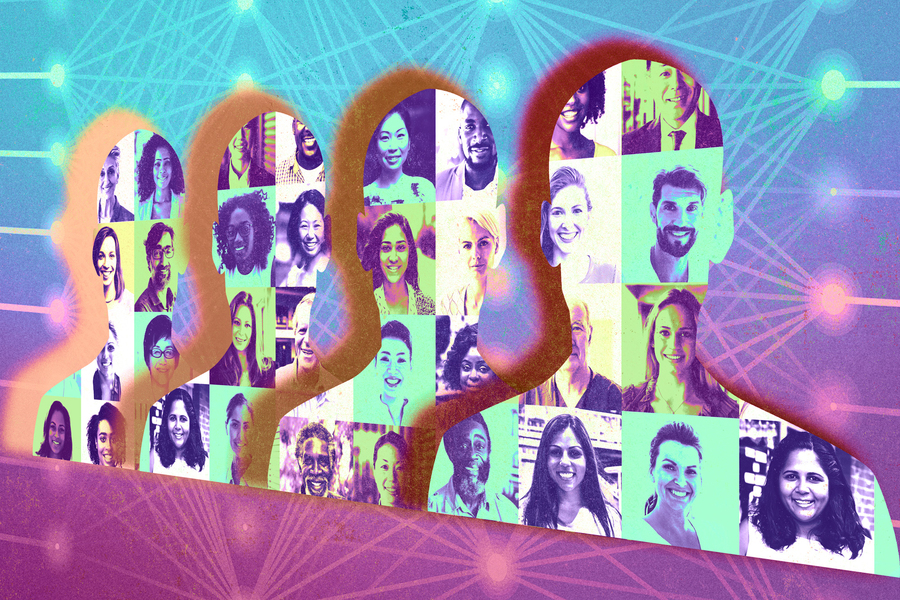
When artificial intelligence systems undergo training using skewed datasets—such as those containing predominantly lighter skin tones while underrepresenting darker complexions—they carry substantial risks of generating discriminatory outcomes when deployed in real-world applications.
However, this[more]
Imagine a family excitedly unboxing their newly purchased AI assistant in their kitchen. According to groundbreaking research from MIT's Media Lab, families are significantly more likely to trust voice-user interfaces—whether smart speakers like Amazon's Alexa or social robots like Jibo—when these [more]
The landscape of design engineering is undergoing a profound transformation with the emergence of artificial intelligence technologies. While the 1960s witnessed the birth of computer-aided design (CAD) through innovations like Ivan Sutherland's groundbreaking Sketchpad software at MIT, we're now e[more]
In the rapidly evolving field of renewable energy, developing next-generation solar cells involves optimizing countless variables including material composition, thickness, and structural arrangement. Historically, this process has been painstakingly slow, requiring researchers to make incremental [more]
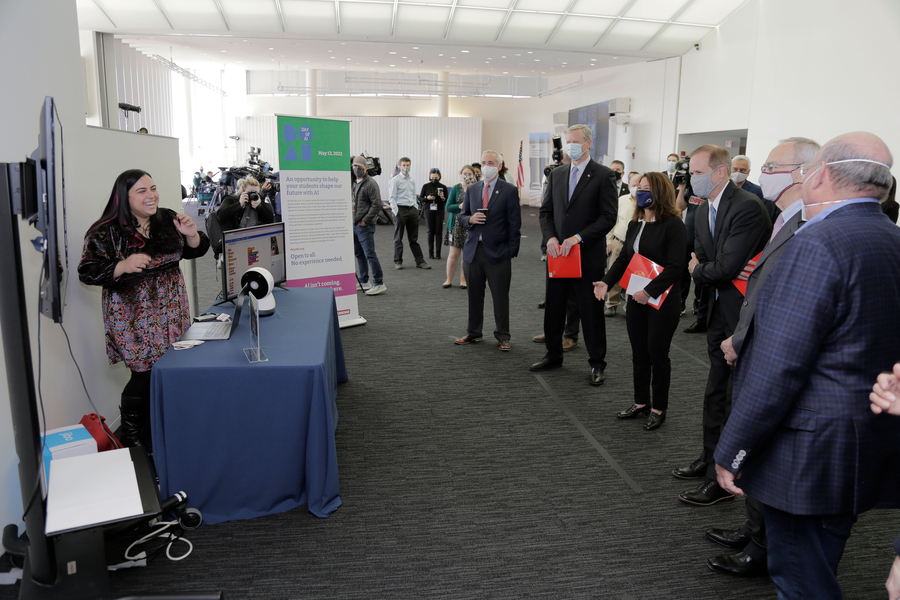
The Massachusetts Institute of Technology has unveiled an innovative national education initiative called the Day of AI, designed to introduce K-12 students across America to fundamental artificial intelligence concepts and applications. This groundbreaking program, developed by MIT's Responsible A[more]
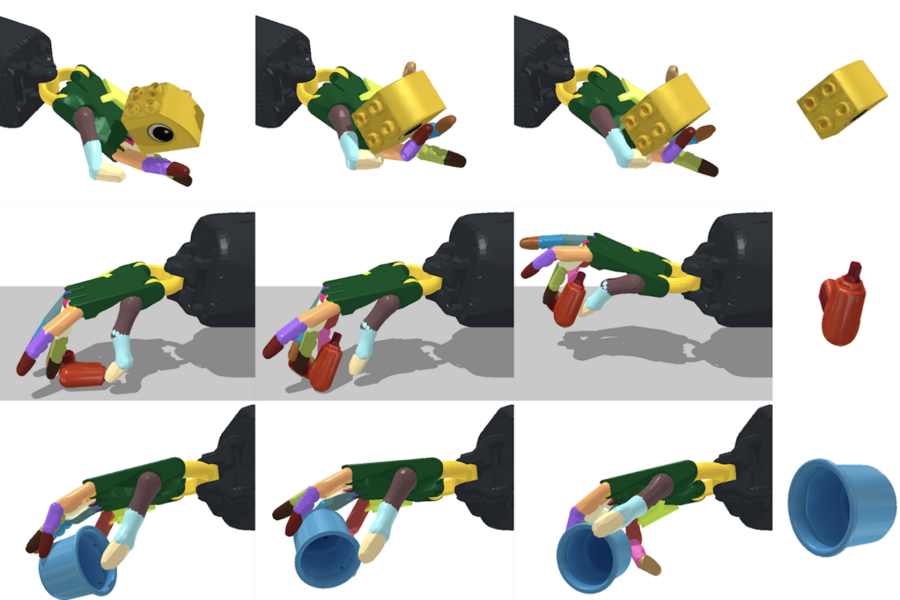
Even the most sophisticated robots still struggle to match the dexterity of a one-year-old child. While modern machines excel at basic pick-and-place operations, they fall short when it comes to replicating the natural exploratory behaviors and sophisticated manipulation skills that humans possess [more]
The global health crisis triggered by Covid-19 has underscored the urgent necessity for developing effective therapeutic solutions against emerging viral threats. One remarkable advantage that artificial intelligence offers us is the capability to rapidly adapt our strategies in real-time—provided [more]
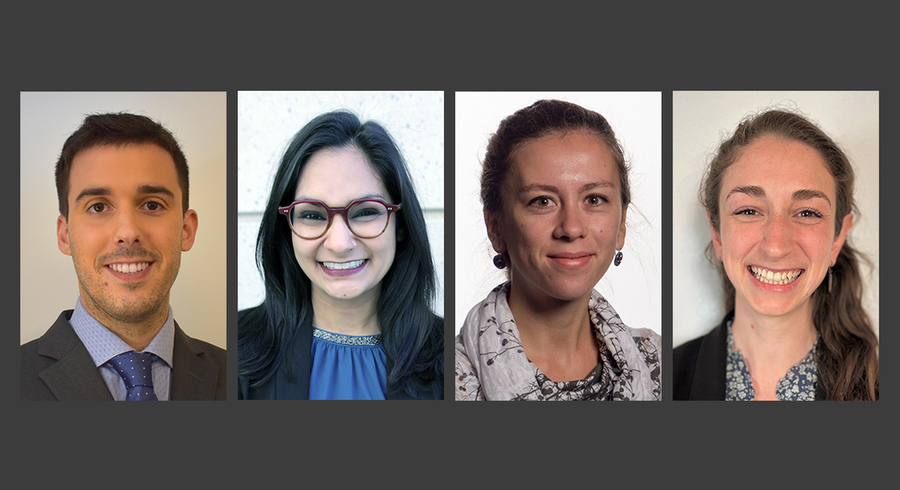
Four brilliant MIT-affiliated researchers have been selected among just 28 exceptional scientists worldwide to receive the prestigious Schmidt Science Fellowship, a distinguished award established in 2017 to promote groundbreaking interdisciplinary research among emerging scientific leaders.
The Sc[more]
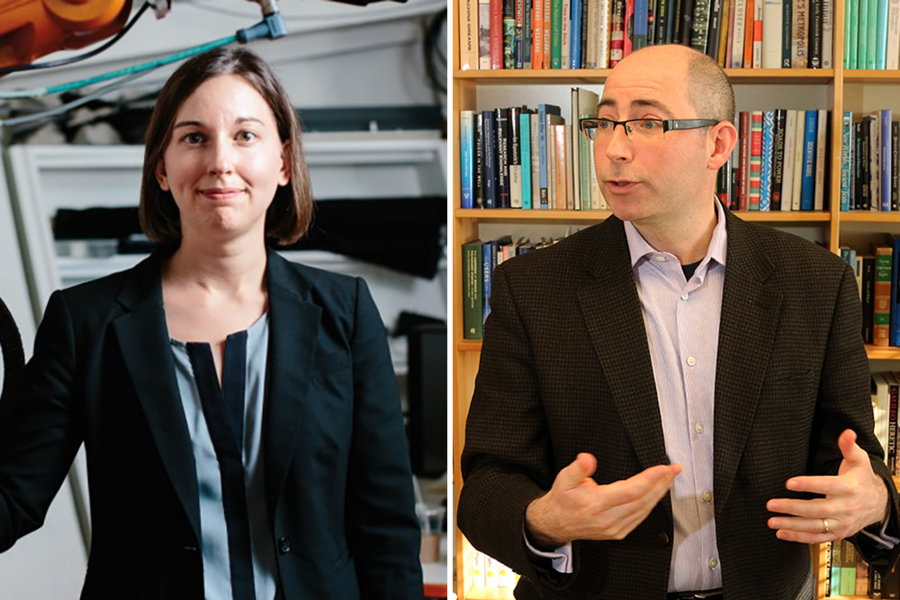
At the forefront of technological innovation, David Kaiser and Julie Shah are pioneering transformative approaches to integrate ethical considerations into computing education. As associate deans of the Social and Ethical Responsibilities of Computing (SERC) at MIT's prestigious Schwarzman College [more]
The healthcare landscape is undergoing a revolutionary transformation as artificial intelligence technologies emerge across all medical domains. This technological revolution brings tremendous promise: AI possesses remarkable capabilities to enhance existing medical technologies, refine personalize[more]