

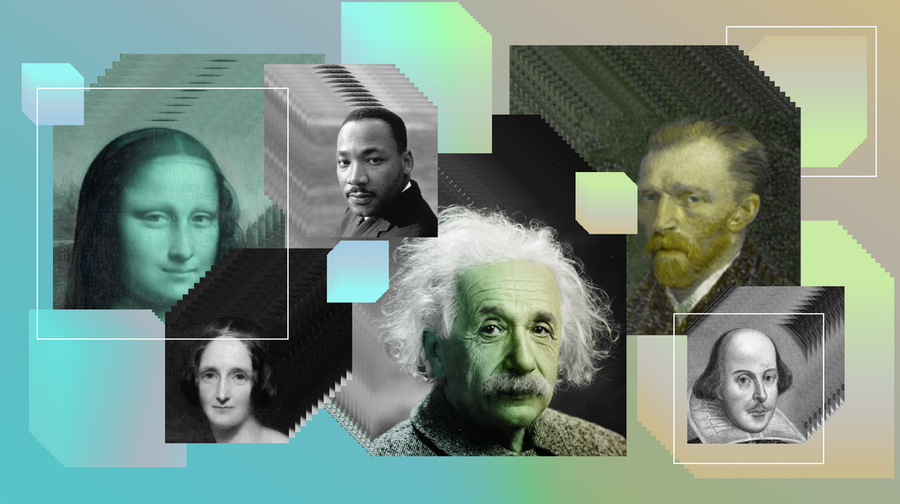
The rapid advancement of artificial intelligence has made creating remarkably lifelike digital characters increasingly accessible. While public discourse often focuses on the concerning aspects of deepfake technology and its potential for deception, these innovative tools possess tremendous potential for beneficial applications. Imagine bringing historical figures like Albert Einstein into modern classrooms to teach physics, engaging in profound conversations with future versions of yourself to navigate career transitions, or developing sophisticated anonymization techniques that preserve crucial facial expressions while protecting individual identities.
In a groundbreaking initiative to harness the constructive potential of this technology, pioneering researchers from MIT Media Lab, in collaboration with experts from University of California at Santa Barbara and Osaka University, have developed a comprehensive open-source character generation framework. This innovative pipeline seamlessly integrates multiple artificial intelligence models specializing in facial expressions, voice synthesis, and motion dynamics, enabling creators to produce diverse and sophisticated audiovisual content with unprecedented ease.
Demonstrating their commitment to responsible innovation, the research team has incorporated a sophisticated dual-layer watermarking system into the pipeline. This distinctive feature creates both machine-traceable and human-visible markers on all generated content, clearly distinguishing synthetic creations from authentic recordings while providing transparent information about their origin. This crucial safeguard represents a significant step toward preventing potential misuse while maintaining the technology's accessibility.
Through democratizing access to this powerful technology, the research team aims to catalyze innovation across multiple professional sectors. Their vision extends particularly to educators, healthcare providers, and therapeutic practitioners who could leverage these tools to revolutionize their approaches to teaching, healing, and personal development. As detailed in their publication in the prestigious journal Nature Machine Intelligence, widespread adoption of these AI-generated characters could significantly enhance educational personalization and dramatically improve mental health outcomes, ultimately contributing to greater societal wellbeing.
"We're entering uncharted territory as artificial intelligence and human identities increasingly intersect," observes Jeremy Bailenson, founding director of Stanford's Virtual Human Interaction Lab, who wasn't involved in the research. "This remarkable paper exemplifies visionary thinking by comprehensively exploring the potential applications of AI-generated characters across diverse fields—from education and healthcare to interpersonal relationships—while simultaneously offering practical guidance for navigating complex ethical considerations surrounding privacy and authentic representation."
Despite the technology's controversial reputation primarily stemming from deepfake controversies, Pat Pataranutaporn, the paper's lead author and a doctoral candidate in Professor Pattie Maes' Fluid Interfaces research group, emphasizes its constructive potential. "Our research fundamentally repositions this technology as a powerful medium for creative expression and meaningful human-computer interaction," Pataranutaporn explains, highlighting the paradigm shift their work represents.
The multidisciplinary research team represents an impressive collaboration between institutions and disciplines. Alongside Maes and Pataranutaporn, contributors include Fluid Interfaces graduate researchers Valdemar Danry and Joanne Leong, Media Lab Research Scientist Dan Novy, Osaka University's Assistant Professor Parinya Punpongsanon, and University of California at Santa Barbara's Assistant Professor Misha Sra—each bringing unique expertise to this innovative project.
The technical foundation for these breakthroughs relies on generative adversarial networks (GANs)—sophisticated systems where competing neural networks drive each other to increasingly impressive results. This technology has revolutionized the creation of photorealistic imagery, voice replication, and facial animation. Pataranutaporn, collaborating with Danry, initially explored these capabilities through "Machinoia," an experimental project where he generated multiple alternative self-representations—childhood versions, elderly projections, and different gender presentations—to engage in profound dialogues about life decisions from diverse perspectives. This transformative experience provided remarkable insights into his personal development journey. "It revealed profound truths—uncovering aspects of my identity I had never previously considered, all through exploring my own data from multiple vantage points," he reflects.
While self-discovery represents one compelling application, the researchers emphasize that AI-generated characters offer numerous additional benefits across various domains. Empirical studies demonstrate that these digital personas significantly enhance student engagement and improve cognitive performance during learning activities. "This technology enables educational experiences tailored specifically to individual interests, cultural contexts, and even personal idols—with the flexibility to evolve dynamically over time," Pataranutaporn elaborates, positioning these tools as powerful supplements to conventional teaching methodologies rather than replacements.
One striking demonstration of this technology's potential came when MIT researchers employed their pipeline to resurrect Johann Sebastian Bach as an interactive AI character. This digital representation of the legendary composer engaged in a remarkable real-time dialogue with world-renowned cellist Yo-Yo Ma during a session led by Media Lab Professor Tod Machover. The groundbreaking encounter captivated both students and the celebrated musician alike, exemplifying how AI-generated characters can create unprecedented educational experiences.
The therapeutic applications of this technology present equally compelling possibilities. With mental health professionals in critically short supply and approximately 44% of Americans with psychological conditions never receiving counseling, AI-generated characters could help bridge this treatment gap. These digital therapists might deliver evidence-based interventions, including exposure therapy for individuals struggling with social anxiety disorders. Additionally, the technology's sophisticated anonymization capabilities—preserving authentic facial expressions while concealing identities—offer invaluable protection for individuals sharing sensitive personal experiences, trauma narratives, or providing critical witness testimony in potentially vulnerable situations.
Beyond these practical applications, the technology opens fascinating avenues for artistic expression and creative experimentation. During a recent "Experiments in Deepfakes" course co-taught by Maes and research affiliate Roy Shilkrot, students demonstrated remarkable ingenuity by animating characters from classical Chinese paintings and developing an innovative "breakup simulator" for navigating relationship endings. These projects highlight the technology's potential as a medium for creative storytelling and emotional exploration.
The researchers acknowledge that the proliferation of AI-generated characters introduces complex legal and ethical considerations requiring thoughtful examination as the technology matures. Their paper raises critical questions: Who possesses the right to digitally recreate historical figures? What legal frameworks should determine liability when AI replicas of public figures promote harmful content? Perhaps most fundamentally, how might our increasing interaction with synthetic characters impact human relationships and social dynamics? These questions underscore the necessity of developing comprehensive governance structures that can evolve alongside the technology.
Professor Maes articulates a central objective of their research initiative: "Our work aims to elevate public understanding of both the possibilities and responsibilities associated with this technology. We seek to stimulate meaningful dialogue about implementing these tools ethically to maximize societal benefit. By asking critical questions now, we can collaboratively develop technical safeguards, legal frameworks, policy guidelines, and educational approaches that nurture positive applications while effectively mitigating potential harms."
Through open dissemination of their technology accompanied by transparent labeling practices, Pataranutaporn concludes, "we aspire to inspire innovative and constructive applications across numerous fields. Simultaneously, we remain committed to fostering public understanding of both the transformative potential and inherent risks associated with these tools. This balanced approach empowers individuals and communities to make informed decisions about incorporating AI-generated characters into their personal and professional lives."

