What separates successful companies in their implementation of artificial intelligence and data analytics for manufacturing and operations? How do industry leaders maintain their competitive edge, and what valuable insights can other businesses gain from their experiences?
The MIT Machine Intellige[more]
Picture a group of medical professionals relying on an advanced neural network to identify cancer in mammogram scans. While this artificial intelligence system might appear to function accurately, it could be fixating on image elements coincidentally linked to tumors—such as watermarks or timestamp[more]
When the global pandemic forced businesses worldwide to reconsider their operational models, cloud storage giant Dropbox made a bold decision. Co-founder and CEO Drew Houston '05 directed the company's nearly 3,000 employees to work from home, not realizing this would become a permanent transformat[more]
Sepsis, a life-threatening condition, claims approximately 270,000 lives annually across the United States. This unpredictable medical emergency can escalate quickly, causing dangerous drops in blood pressure, extensive tissue damage, multiple organ failure, and ultimately death.
While timely medic[more]
In a groundbreaking intersection of technology and marine conservation, MIT researcher Charlene Xia is pioneering artificial intelligence solutions to safeguard seaweed farms against climate-related threats. Her innovative approach combines machine learning algorithms with underwater monitoring to [more]
Bilge Yildiz’s pioneering research spans across multiple cutting-edge technologies. At her MIT laboratory, the team investigates fuel cells that transform hydrogen and oxygen into clean electricity and water. They explore electrolyzers that reverse this process, converting water into hydrogen and o[more]
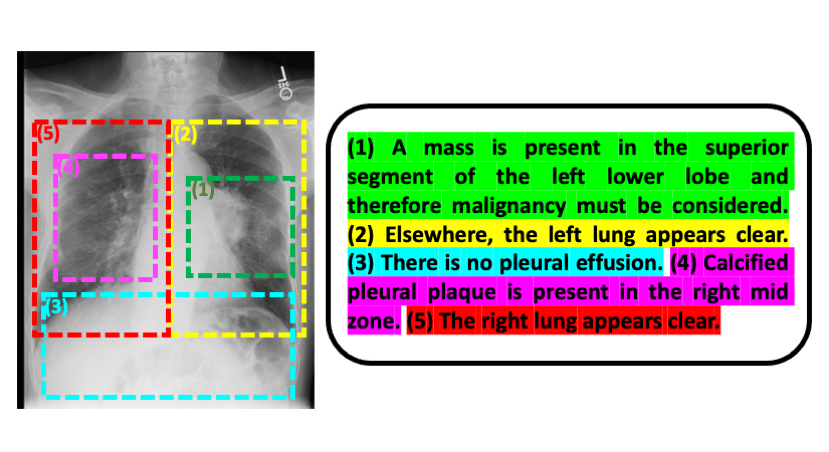
Swift and precise interpretation of medical scans such as X-rays plays a critical role in patient care and can often be life-saving. However, the availability of specialized radiologists isn't always guaranteed, leading to potential delays in diagnosis. This challenge has motivated researchers at M[more]
Silently gliding 100 meters above bustling city neighborhoods, next-generation drones are collecting critical air quality data with unprecedented precision. These intelligent aerial vehicles systematically survey metropolitan landscapes, transmitting real-time information to a central communication[more]
Modern society increasingly relies on algorithmic decision-making across critical sectors including judicial systems, financial institutions, and private enterprises. These automated systems profoundly affect people's lives, yet frequently demonstrate troubling biases—particularly against communiti[more]
The exponential growth in artificial intelligence capabilities has been fueled by enhanced computing power and massive data availability. However, as AI systems continue to evolve in sophistication, their computational demands are outpacing what traditional electronic hardware can deliver. Enter Li[more]