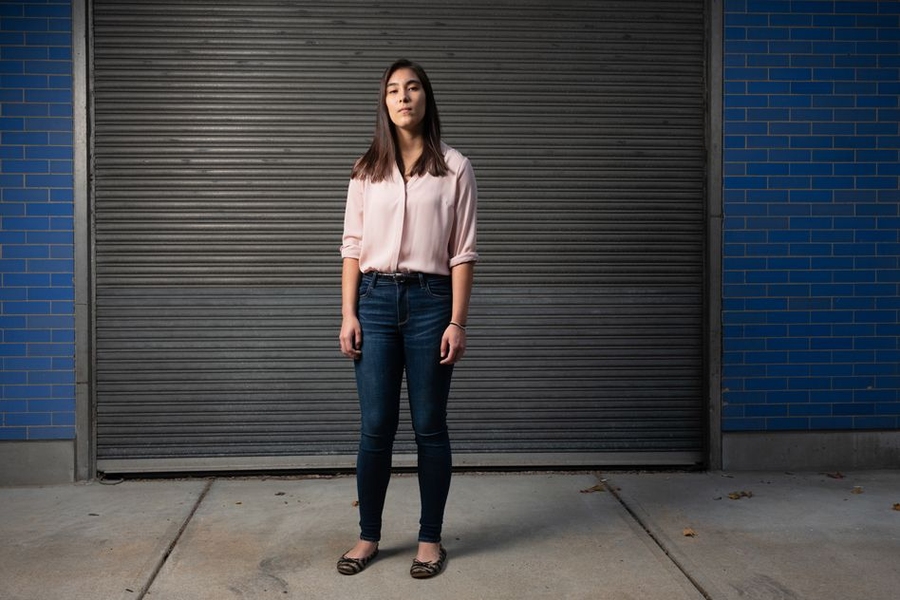
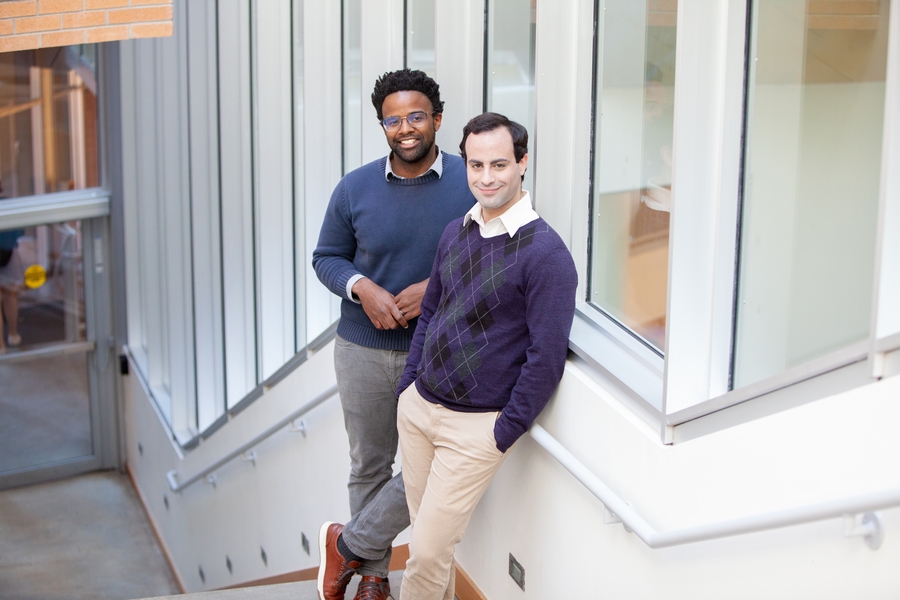
The intersection of artificial intelligence and healthcare is creating unprecedented opportunities in medical research. At the forefront of this revolution is MIT's Ray and Maria Stata Center, an architectural marvel designed to foster interdisciplinary collaboration. On a vibrant autumn day, Krist[more]
MIT neuroscientists have conducted groundbreaking research, putting artificial intelligence vision models through unprecedented testing to evaluate their ability to mimic the brain's visual cortex with remarkable accuracy.
Utilizing their most advanced model of the brain's visual neural network, th[more]
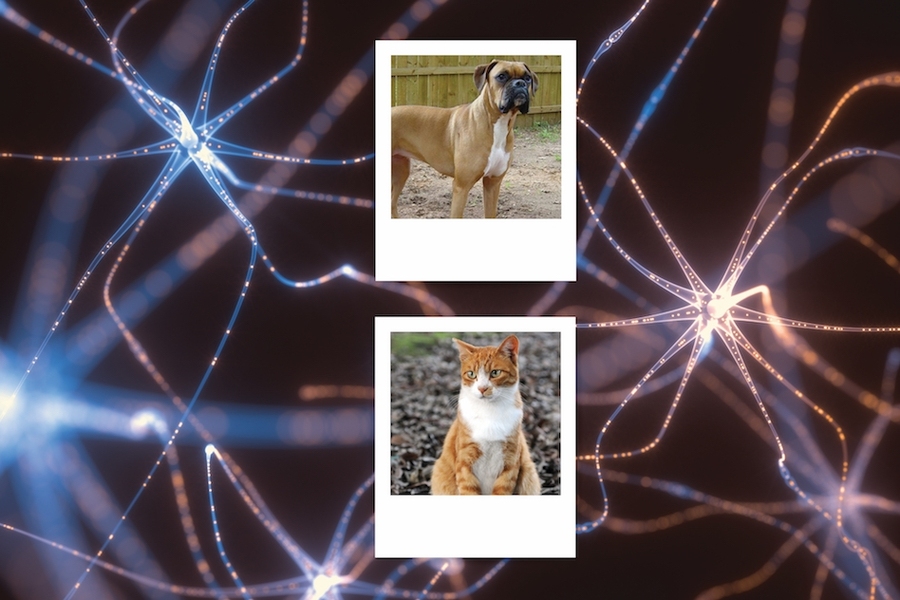
In today's technology landscape, artificial intelligence applications predominantly depend on "deep neural networks" that autonomously learn from labeled datasets to perform complex tasks.
However, for most organizations and individual developers, diving into deep learning presents significant chal[more]
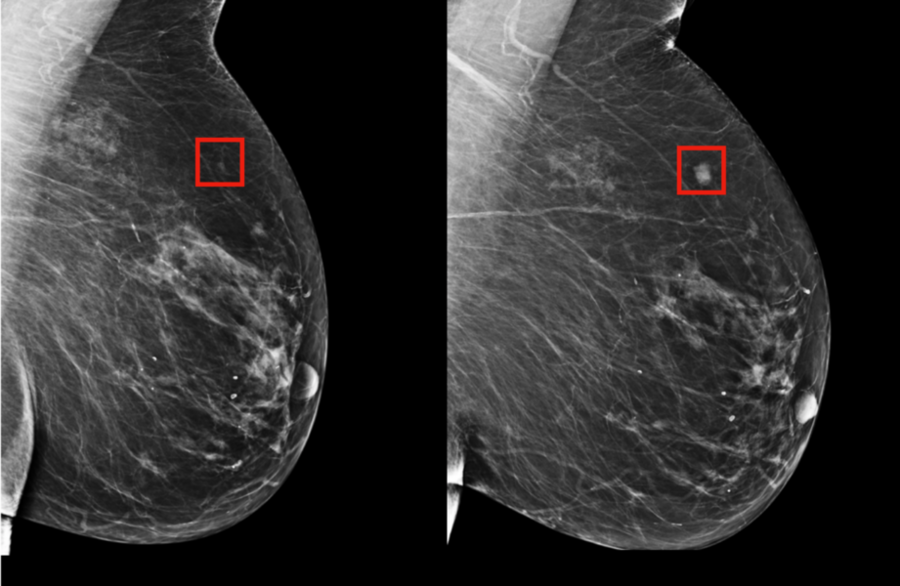
In the realm of medical diagnostics, breast cancer detection has long challenged healthcare professionals despite significant advancements in genetic research and imaging technologies. Many patients receive unexpected diagnoses, with some cases identified too late for optimal intervention. Delayed [more]
Traditional antibiotics primarily target essential bacterial functions like DNA replication or cell wall synthesis. However, these mechanisms only scratch the surface of how antibiotics combat bacterial infections.
In groundbreaking research, MIT scientists have pioneered an innovative machine lear[more]
A team of innovative scientists at the prestigious Massachusetts Institute of Technology (MIT) has developed a groundbreaking approach to evaluate the durability and reliability of artificial neural networks across multiple applications. This novel technique specifically identifies instances where [more]
As modern societal systems grow in complexity and interconnectedness, they generate unprecedented volumes of data that can unlock transformative insights. For policymakers tackling major global challenges, this data represents a significant opportunity—provided they possess the tools to analyze it [more]
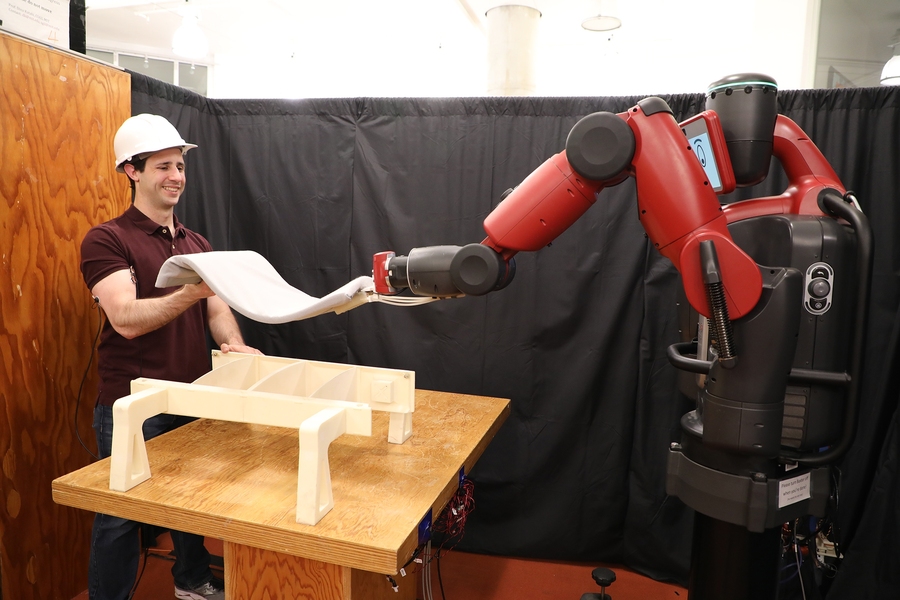
Humans possess an innate ability for seamless collaboration, especially when engaged in physical tasks like lifting heavy objects together. Our natural coordination allows us to work in harmony, constantly adjusting our movements to match our partners without explicit communication.
Unlike human co[more]
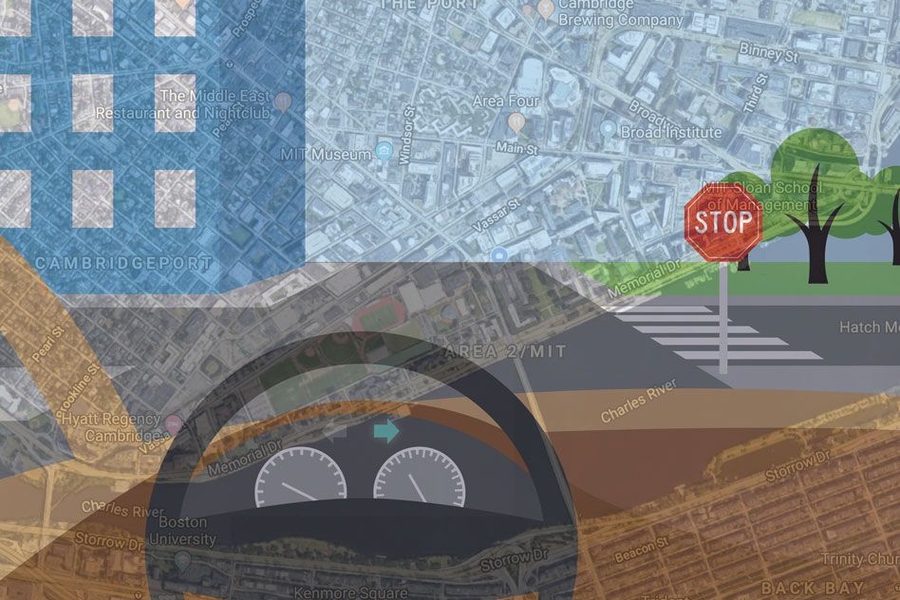
MIT scientists have pioneered an innovative artificial intelligence system that empowers self-driving vehicles to navigate through previously unexplored territories using only basic maps and visual information, mimicking human cognitive reasoning.
Human operators excel at maneuvering through unfami[more]